
Depression and Sadness

Depression can be a normal feeling we all experience from time to time, however, deep dark depression which debilitates oneself is dangerous and Radix can help heal the causes.
Addictions of all types

Addiction is a condition in which a person becomes physically or psychologically dependent on a behavior or substance, often continuing it despite harmful consequences. Addictions can affect health, relationships, finances, emotions, and daily life. They may develop gradually through repeated behaviors that trigger pleasure, relief, or escape.
Common types of addiction include:
- Smoking/Nicotine Addiction – Dependence on cigarettes, vaping, or other nicotine products that can lead to serious health problems such as lung disease and heart conditions.
- Eating Disorders and Food Addiction – Unhealthy relationships with food, including compulsive overeating, binge eating, or restrictive eating behaviors that impact both physical and mental health.
- Gambling Addiction – An uncontrollable urge to gamble despite financial loss or personal consequences. It can affect family life, work, and emotional well-being.
- Sex Addiction – Excessive or compulsive sexual thoughts or behaviors that interfere with daily responsibilities, relationships, or mental health.
- Drug Addiction – Dependence on substances such as opioids, cocaine, heroin, marijuana, or prescription medications. Drug addiction can alter brain function and often requires professional treatment.
Addiction is often connected to stress, trauma, mental health conditions, environmental influences, or genetic factors. Recovery is possible through support systems, counseling, therapy, rehabilitation programs, lifestyle changes, and medical treatment when necessary.
Self-esteem issues
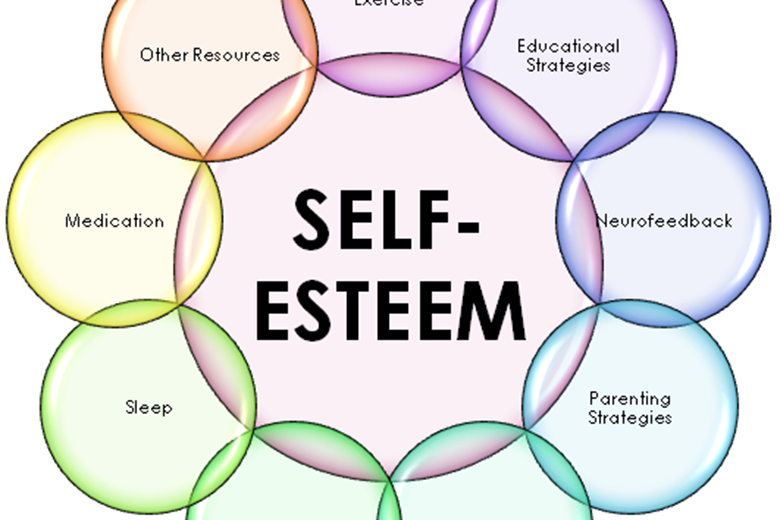
Self-esteem issues refer to negative thoughts and feelings a person has about their own worth, abilities, or appearance. People with low self-esteem often struggle with self-confidence, self-doubt, and fear of failure or rejection. These feelings can affect relationships, work performance, emotional well-being, and overall quality of life.
Common signs of self-esteem issues include:
- Constant self-criticism
- Comparing oneself to others
- Fear of making mistakes
- Difficulty accepting compliments
- Avoiding challenges or social situations
- Feeling unworthy or inadequate
Low self-esteem can develop from childhood experiences, bullying, trauma, unhealthy relationships, unrealistic expectations, or repeated criticism. Over time, it may contribute to anxiety, depression, stress, or lack of motivation.
Improving self-esteem often involves building self-awareness, practicing positive self-talk, setting healthy boundaries, recognizing personal strengths, and seeking support through counseling or therapy when needed. Developing self-esteem is a gradual process that helps individuals feel more confident, capable, and emotionally balanced.and medical treatment when necessary.
Trauma

Trauma is an emotional and psychological response to deeply distressing or disturbing experiences that overwhelm a person’s ability to cope. It can result from events such as abuse, violence, accidents, loss of a loved one, natural disasters, neglect, or other life-threatening or emotionally painful situations.
Trauma affects people differently. Some individuals may experience temporary emotional reactions, while others may face long-term effects on their mental, emotional, and physical well-being.
Common signs of trauma may include:
- Anxiety, fear, or panic
- Flashbacks or distressing memories
- Difficulty trusting others
- Emotional numbness or withdrawal
- Sleep problems or nightmares
- Mood swings, anger, or sadness
- Trouble concentrating or feeling safe
Trauma can impact relationships, self-esteem, daily functioning, and overall health if left unaddressed. In some cases, it may lead to conditions such as depression, anxiety disorders, or post-traumatic stress disorder (PTSD).
Healing from trauma often involves emotional support, therapy, counseling, healthy coping strategies, and a safe environment where individuals can process their experiences and rebuild a sense of stability and confidence.
Emotional intimacy
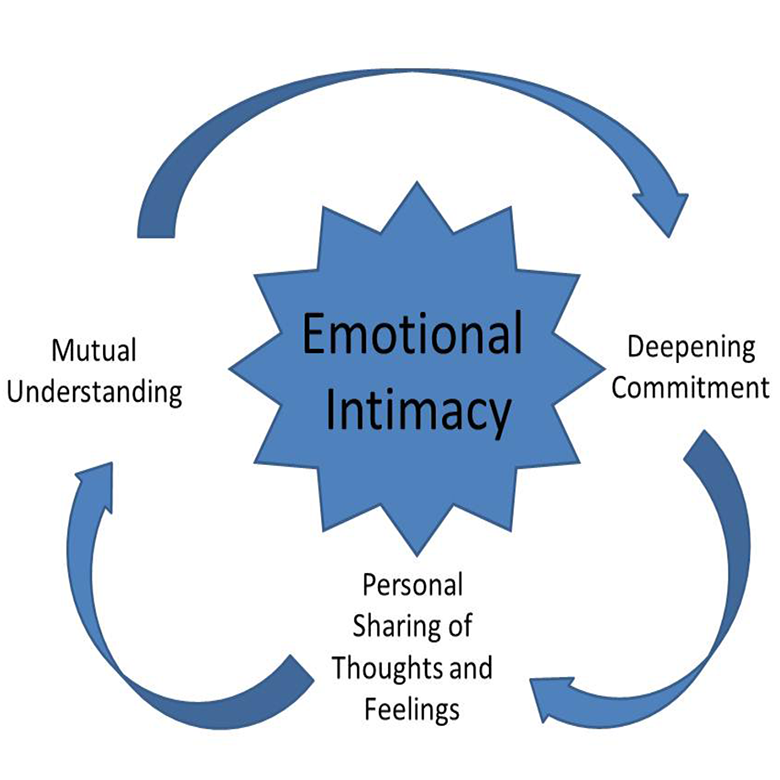
Emotional intimacy is the deep sense of closeness and connection between people where they feel safe to share their true thoughts, feelings, fears, and experiences without judgment. It is built on trust, understanding, and emotional openness, allowing individuals to feel genuinely seen and supported.
In emotionally intimate relationships, people are able to communicate honestly, listen with empathy, and respond with care. This type of connection is not limited to romantic relationships—it can also exist between close friends, family members, or trusted partners.
Key elements of emotional intimacy include:
- Trust and honesty
- Open and respectful communication
- Empathy and emotional support
- Vulnerability and acceptance
- Feeling understood and valued
When emotional intimacy is strong, relationships often feel more secure, meaningful, and stable. However, a lack of emotional intimacy can lead to feelings of loneliness, disconnection, or misunderstanding even when people are physically close.
Building emotional intimacy takes time, patience, and consistent emotional presence, but it plays a vital role in forming healthy, fulfilling relationships.
Loneliness

Loneliness is a feeling of emotional emptiness or sadness that arises when a person feels disconnected from others, even if they are physically surrounded by people. It is not just about being alone—it is about lacking meaningful social or emotional connections.
People may experience loneliness at different stages of life due to changes such as moving to a new place, losing a loved one, relationship breakdowns, social isolation, or difficulty forming close bonds. It can also occur when someone feels misunderstood or emotionally unsupported.
Common signs of loneliness include:
- Feeling isolated or disconnected
- Sadness, emptiness, or longing for connection
- Low motivation or interest in activities
- Overthinking or emotional sensitivity
- Difficulty sleeping or changes in mood
If experienced for a long time, loneliness can affect mental and physical health, potentially contributing to anxiety, depression, stress, or low self-esteem.
Reducing loneliness often involves building social connections, reaching out to friends or family, joining community or interest groups, and engaging in meaningful activities. Developing self-awareness and emotional support systems can also help a person feel more connected and fulfilled.
Intimacy

Intimacy is a close and meaningful connection between people that involves emotional closeness, trust, and a sense of safety with one another. It is the feeling of being understood, accepted, and valued for who you truly are.
Intimacy can exist in different forms, including emotional, physical, intellectual, and even spiritual connections. While it is often associated with romantic relationships, it is also important in friendships and family relationships.
Key aspects of intimacy include:
- Trust and honesty
- pen and deep communication
- Emotional vulnerability
- Mutual respect and understanding
- Feeling safe and accepted
Healthy intimacy helps strengthen relationships, build emotional security, and create a strong sense of connection between individuals. Without intimacy, relationships may feel distant or superficial, even if people spend a lot of time together.
Developing intimacy takes time, emotional openness, and consistent effort from both sides, but it plays an important role in building strong and lasting human relationships.
Trust

Trust is the belief that someone or something is reliable, honest, and will act in a fair and consistent way. It is a fundamental part of all healthy relationships, including friendships, family bonds, romantic partnerships, and professional connections.
Trust develops over time through consistent actions, honesty, and respect. When people trust each other, they feel safe to communicate openly, share personal thoughts, and rely on one another without fear of betrayal or harm.
Key elements of trust include:
- Honesty and truthfulness
- Reliability and consistency
- Respect for boundaries
- Accountability for actions
- Emotional safety and openness
When trust is strong, relationships feel secure, stable, and supportive. However, when trust is broken, it can lead to doubt, emotional distance, conflict, and difficulty rebuilding the connection.
Rebuilding trust often requires time, patience, clear communication, and consistent behavior changes. It is a gradual process, but with effort, trust can be restored and strengthened over time.
Arguments

Arguments are disagreements or discussions between people who have different opinions, ideas, or viewpoints. They are a natural part of human communication and can happen in relationships, workplaces, families, or social situations.
An argument may become emotional when people feel strongly about their beliefs or feel misunderstood. It can involve raised voices, frustration, or conflict if not handled carefully. However, not all arguments are negative—some can be constructive and help people better understand each other.
Common causes of arguments include:
- Miscommunication or misunderstandings
- Differences in opinions or values
- Stress or emotional pressure
- Lack of listening or empathy
- Unclear expectations or boundaries
Healthy arguments can lead to better understanding, problem-solving, and stronger relationships when handled with respect. Unhealthy arguments, on the other hand, may involve blame, anger, or disrespect, which can damage relationships over time.
Managing arguments effectively involves staying calm, listening actively, respecting different viewpoints, and focusing on solutions rather than winning the discussion.
Communication

The key to all relationships, especially our own internal dialogue. I help clients learn how to connect with themselves and others effectively and with a full heart.
Anxiety and Stress
 Epidemic in our Modern World, I help clients release pent up anxiety and learn how to manage stress. It is probably the number one issue most of us confront.
Codependency

Codependency is a behavioral pattern in relationships where one person relies excessively on another for emotional support, approval, identity, or a sense of purpose. It often involves an unhealthy level of dependence that can make it difficult for individuals to maintain boundaries or make independent decisions.
In codependent relationships, one person may consistently prioritize the needs of others while neglecting their own well-being. This can create an imbalance where personal identity and self-worth become tied to pleasing or taking care of someone else.
Common signs of codependency include:
- Difficulty setting or maintaining boundaries
- Strong fear of rejection or abandonment
People-pleasing behavior - Low self-esteem and self-worth tied to others’ approval
- Feeling responsible for others’ emotions or problems
- Trouble making independent decisions
Codependency can develop from childhood experiences, emotional neglect, trauma, or unstable relationships. Over time, it may lead to emotional exhaustion, resentment, and unhealthy relationship patterns.
Healing from codependency often involves building self-awareness, improving self-esteem, learning healthy boundaries, and sometimes seeking therapy or counseling. Developing independence and emotional balance helps create healthier, more supportive relationships.